
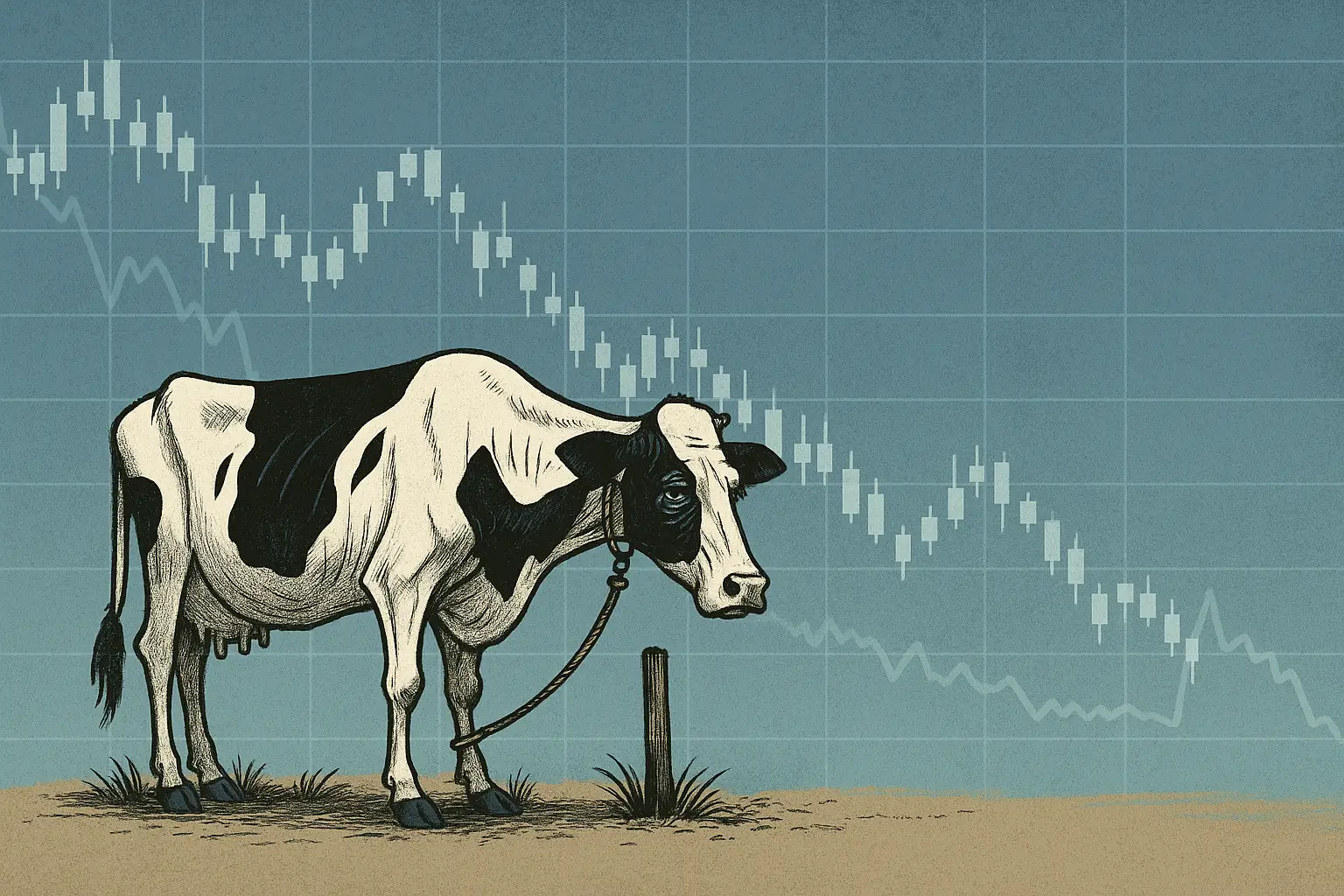
For decades, “maximizing shareholder value” has been treated as a sacred corporate cow. It’s the phrase executives use to justify everything from mass layoffs to stock buybacks. It shapes boardroom decisions, drives executive bonuses, and dominates investor calls.
But here’s the uncomfortable truth: this sacred cow is starving some businesses of what they actually need to grow.
At the heart of the problem is a dangerous assumption—that a company’s value must go up every single year, without exception. If the stock dips? Slash the budget. Freeze hiring. Cut “nonessential” teams like customer support or R&D. Do whatever it takes to please investors.
This isn’t growth. It’s a performance theater.
What Is Shareholder Value, Really?
“Shareholder value” refers to the financial return a company delivers to its shareholders, typically measured by rising stock prices and dividend payments. The idea, popularized by economist Milton Friedman in the 1970s, is that a company’s sole responsibility is to increase profits for its owners (the shareholders).
Since then, this concept has taken over corporate culture. In many public companies today:
- CEOs are primarily rewarded for boosting share prices.
- Short-term stock movement can overshadow long-term strategy.
- Executives prioritize quarterly earnings—even at the expense of innovation, employee morale, or customer trust.
It’s capitalism tuned for short-term optics, not long-term resilience.
The Trap of Stock-Driven Thinking
When shareholder value becomes the sole goal, everything else—customer satisfaction, innovation, employee well-being, community trust—is sacrificed for the stock chart.
- Customer experience deteriorates. Support is cut. Product quality slips. Loyalty erodes.
- Employees are expendable. Morale drops. Layoffs are celebrated as “efficiencies.”
- Innovation stalls. Future-focused projects get delayed or cancelled.
- Trust evaporates. Stakeholders see through the spin.
And yet, companies still act surprised when customers walk and top talent leave.
Real-World Case Studies: When Shareholder Value Backfires
GE (General Electric): The Fall of a Giant
Once a global powerhouse, GE aggressively chased shareholder value under CEO Jack Welch, cutting jobs, focusing on financial engineering, and beating quarterly targets. It worked for a while. But when the fundamentals eroded, there was no core left. GE’s stock crashed. The company was removed from the Dow Jones in 2018 after 110 years.
Lesson: Prioritizing stock performance over sustainable growth hollowed out the business.
Wells Fargo: Cross-Selling Scandal
To meet aggressive sales targets that pleased shareholders, Wells Fargo employees opened millions of unauthorized accounts. The stock held strong until the fraud was exposed. The brand’s reputation tanked. The CEO resigned. Fines and long-term trust erosion followed.
Lesson: Obsessive short-term gains destroyed long-term customer trust.
Costco: The Counter-Example
Costco is famously known for paying employees well and refusing to chase short-term earnings. The company doesn’t prioritize beating Wall Street expectations. Instead, it focuses on customer value, operational efficiency, and employee loyalty. Result? Long-term growth, strong customer retention, and a loyal workforce.
Lesson: You can deliver shareholder value without worshipping it—by focusing on people first.
So, If Not Shareholder Value… Then What?
Real growth isn’t about manipulating metrics or “delivering value” by cutting corners. It’s about building a company people believe in—customers, employees, communities, and yes, investors.
Here’s what it looks like:
1. Put Customers at the Center
If you’re not creating value for the people you serve, what are you doing?
Loyalty isn’t bought with discounts. It’s earned through trust, relevance, and experience.
- Design frictionless, meaningful experiences.
- Build feedback loops into your roadmap.
- Solve real problems—not just “optimize conversion.”
2. Invest in Innovation, Even When It’s Messy
Innovation doesn’t fit neatly into quarterly cycles. It takes bold thinking, failed prototypes, and a long view.
Companies that sacrifice R&D to juice earnings may please investors today, but they won’t exist tomorrow.
3. Create a Culture That’s Built to Last
Your people are your moat. If your best talent is constantly at risk of being cut, you’re building on sand.
- Invest in development.
- Prioritize psychological safety.
- Make inclusion a practice, not a line item.
4. Lead with Purpose, Not Optics
Empty values and generic mission statements don’t inspire anyone.
But companies that stand for something—and live it across decisions, culture, and customer experience—create deeper, more durable forms of value.
My Take On Shareholder Value
Maximizing shareholder value has become the sacred cow of corporate strategy—but it’s eating us alive.
We’ve built an entire culture around the belief that value should rise indefinitely, as if markets defy gravity. But here’s the truth:
What goes up must come down.
It’s physics. It’s economics. It’s life.
Real growth is not a straight line. It’s messy, human, and patient. It demands that we prioritize customer experience, innovation, and culture, not just tick up a graph on a screen.
If we keep worshipping shareholder value as the only value, we’ll keep starving the very systems that produce it.
Because shareholder value isn’t the purpose of business.
It’s what happens when you do business right.
And maybe it’s time to stop protecting the sacred cow—and start building something that actually feeds people.

Nader Mahmoud is the founder of Odyssean360 Coaching & Consulting, which specializes in executive coaching, leadership development, and strategic business consulting. With decades of global leadership experience across industries and cultures, he helps executives, emerging leaders, and organizations navigate change and drive meaningful growth. Nader writes about business strategy, leadership insights, and coaching practices that align purpose with performance.